The Pilots Call It Calmer. The Riders Call It Hero. It's the Same Cold Front on Chelan Butte.
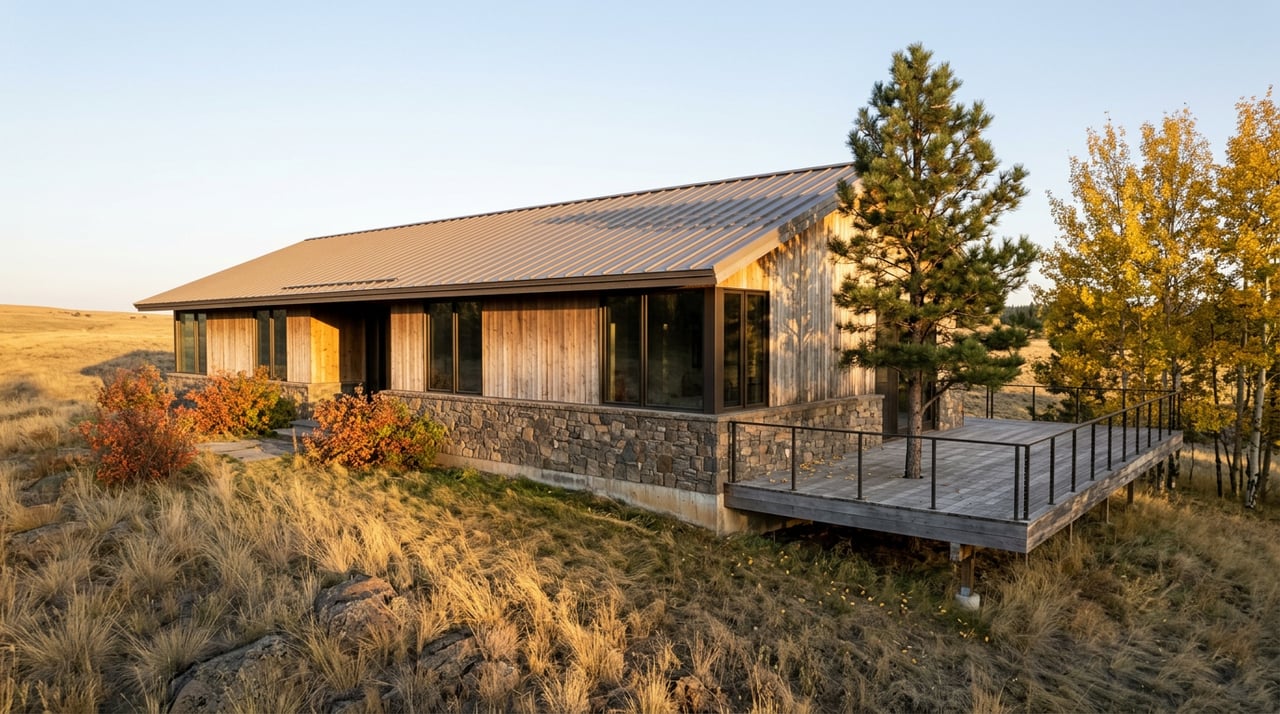
By the third week of September, mornings in Hawk's Meadow have a different weight to them. The dry heat that sat on the hillside all through August is gone, replaced by something cooler and heavier, the kind of air that shows up on your skin before your eyes have adjusted to daylight. Nobody who lives on this ridge needs a forecast to notice it. The mountain tells you first.
What's less obvious is that this single shift in air temperature and moisture is doing three completely different things at the same time, to three groups of people who rarely think about each other. A paraglider pilot reads this cold front as relief. A downhill mountain biker reads it as opportunity. And a resident walking the ridge at dusk is about to see wildlife that was there all summer and simply invisible.
Chelan Butte has a reputation among cross-country paragliding pilots that most of the people living around it have no reason to know about. The launch site above town is one of the most competitive flying locations in the country, dry ground and reliable heat combining to throw pilots thousands of feet into the air on thermals strong enough to carry them thermal-hopping toward Idaho on a good day. This past June, the site hosted back-to-back international competitions, the Ozone Chelan Open and the US Open of Paragliding, drawing pilots ranked by the World Pilot Rating System with a former world paragliding champion on hand as one of the visiting staff pilots. That's the summer version of the Butte: extreme, technical, built for people with a lot of airtime behind them.
Fall is the other version. Lake Chelan Flyers, the nonprofit club that manages pilot access to the site through agreements with the state Department of Natural Resources and Chelan County PUD, tells newer pilots directly that autumn is still soarable but not nearly as intense as summer's turbulent midday thermals. The same dust devils that make July launches genuinely dangerous lose their punch once the ground stops baking. Pilots who spend the hot months timing their flights around dawn and dusk to dodge the worst of the turbulence can fly more of the day once the heat backs off. The landing zone at Chelan Falls Park, the daily staging ground managed by the PUD, sees less frantic energy this time of year. It's the same air, doing less damage.
A few miles of trail away, that same weather shift means something entirely different to the people who ride the Butte Downhill, a 3.7-mile descent that starts near the Chelan Reach trailhead and drops riders back toward town on a mix of ridgeline single track and brake-testing switchbacks. Local riders who log conditions after every trip describe a specific transformation that happens with the season's first real rain. Dry summer dirt on this trail turns to dust and loose gravel, unpredictable under a tire. After a night of fall rain, the same dirt packs down into something riders describe as hardened and hero, fast and predictable in a way it never is in August.
That's not a minor technical note. The Butte Downhill in summer is a trail you ride carefully, picking lines around gravel and hoping the heat hasn't turned the upper sections to powder. The Butte Downhill after the first fall storm is the trail everyone's been waiting for, and local riders time their rides around exactly this. Some routes even let you finish the descent on a paved path along the lake, close enough to town to end the ride with a stop downtown rather than a drive back to the car.
Here's the part that surprises most people who've lived next to this mountain for years without knowing it. The Chelan Butte bighorn sheep herd is not a fall visitor. It's not migrating in for the season or passing through on its way somewhere else. According to the Washington Department of Fish and Wildlife, the herd lives on Chelan Butte year-round, most often found east of Chelan Butte Road above an area called Stayman Flats. The population traces back to 2004, when 35 sheep were translocated from the Cleman Mountain herd in Yakima County to reestablish bighorns in a wildlife area where they'd been wiped out in the early 1900s. State wildlife managers now work to hold the herd at roughly 200 animals, large enough to be genetically stable but small enough to avoid the disease and resource pressure that comes with overcrowding a range this size.
So if the sheep are always there, why does everyone seem to spot them more in October than in July? The answer isn't the sheep. It's the humans. Every trail guide covering the Chelan Butte hiking route says some version of the same thing: no shade, intense sun, best attempted early or on a cooler day. That's a polite way of saying most people simply stop walking the ridge in the hottest stretch of summer, and a trail nobody's walking is a trail where nobody's looking up to notice a ram on a rock outcrop. Once temperatures drop enough to make a midday walk tolerable again, foot traffic on the Butte picks back up, and so does the chance of running into the wildlife that was there the entire time.
The bighorns share that stretch of hillside with a handful of other residents worth knowing by name if you're going to be walking near them:
None of this is seasonal in the sense of arriving and leaving. It's seasonal in the sense of being seen or not seen, and that distinction matters if you've ever wondered why your neighbor swears they never see wildlife on the Butte while you've watched a group of rams from your own porch.
Put those three threads together and you get a mountain that doesn't quiet down in fall so much as it changes who's paying attention. The specialists who chase Chelan Butte's most extreme conditions, the competitive pilots and the die-hard downhill riders, experience this cold front as a shift in intensity. The wildlife that's been there the whole time simply becomes visible again once the heat stops keeping people off the trail.
For a Hawk's Meadow resident, that's the practical version of living on this particular hillside. The Chelan Butte Wildlife Area Unit sits between Lake Chelan and the Columbia River, and the land immediately around it, including the area Hawk's Meadow sits on, is described by the state as primarily private, rural, and agricultural. That's not incidental. It's the reason a bighorn ram can wander close enough for a resident to notice, the reason the Butte Downhill trail is a short drive rather than a destination, and the reason a mountain hosting an internationally competitive paragliding site can also be the kind of place where a cooler morning changes the whole texture of the week.
None of this requires you to do anything differently. It just means that if you've been walking past the same stretch of Chelan Butte Road all summer without seeing much, the next few weeks are the time to look again.
If you're already living this rhythm and thinking about what else the Lake Chelan Valley has to offer, or you know someone weighing a move to a place where the mountain is part of daily life rather than a weekend drive, Jessie Simmons has spent a career learning exactly this kind of local detail. Search All Homes on the site whenever you're ready to see what's available around Hawk's Meadow and the rest of the valley.
Stay up to date on the latest real estate trends.


Real Estate