Clos ChaVelle Second Home Planning and Resale Strategy
If you buy in Clos CheValle, you are not just buying a home. You are also buying into a view-driven, vineyard-setting lifestyle where ownership choices can shape your future resale story. Whether you plan to enjoy the property for years or eventually sell, a little planning now can help you protect value, reduce surprises, and make smarter decisions along the way. Let’s dive in.
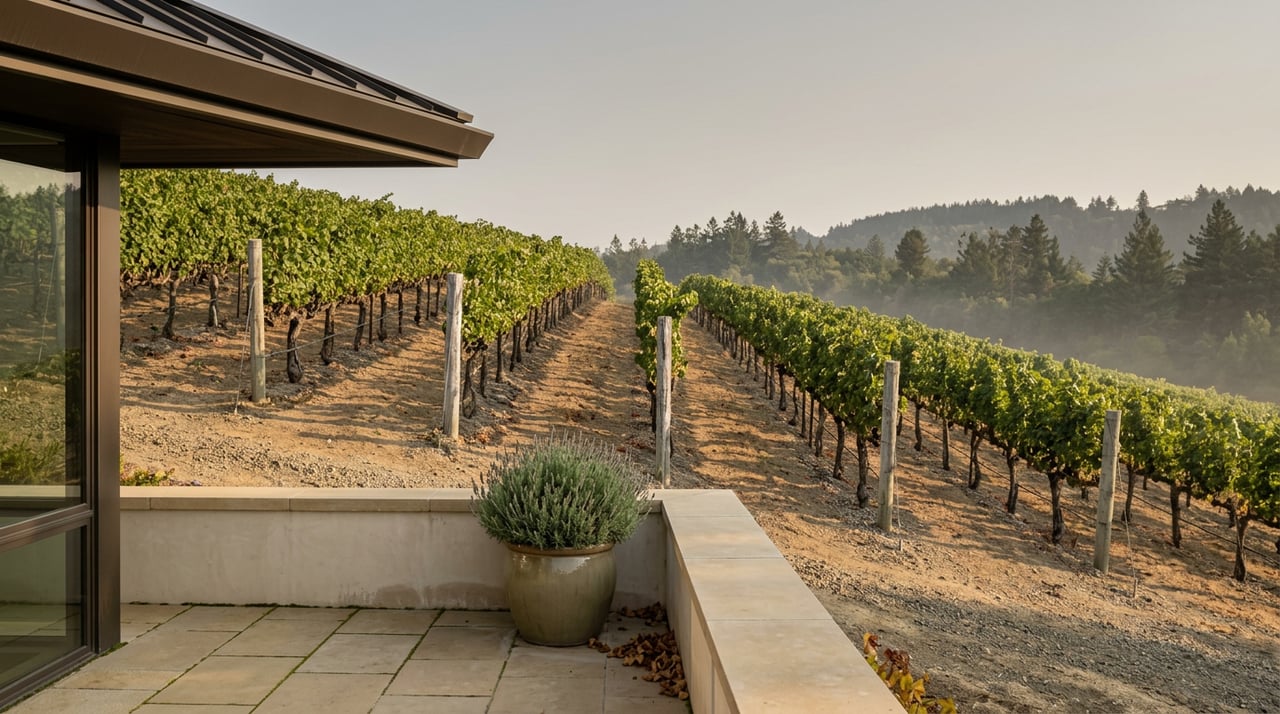
Clos CheValle is a 67-lot residential homesite community set on 66 acres of vineyards along the south shore of Lake Chelan, about five miles west of downtown Chelan. According to the Clos CheValle HOA, lots are generally one-half to three-quarters of an acre and are intended for higher-end homes with a wine-country character and lake, mountain, and valley views.
That setting matters because Clos CheValle is tied closely to the broader Lake Chelan lifestyle. The Lake Chelan Wine Valley highlights more than 40 wineries and tasting rooms in the area, and the destination also draws steady tourism and year-round recreation. Chelan County’s tourism study reports nearly 2.6 million overnight visitors in 2024 and $675.5 million in visitor spending, which reinforces the area’s long-term lifestyle appeal.
For you as an owner, that usually means resale value is not only about square footage or finishes. It is also about how well your property fits the community’s overall character, how easy it is to maintain, and whether it preserves the view-focused appeal buyers expect in this part of Chelan.
One of the biggest ownership factors in Clos CheValle is HOA oversight. The legal documents and guidelines show that the Architectural Design Committee reviews new construction and exterior remodels, and owners must submit plans before starting work.
The same HOA resources also outline covenants, amendments, architectural standards, landscape guidance, suggested plants, and banned materials. In addition, the Facilities Committee manages gates, roads, trails, signage, mailboxes, and landscape or property-management coordination. That tells you Clos CheValle is a hands-on community when it comes to consistency and upkeep.
If you are planning upgrades, start with the HOA documents before you start with Pinterest ideas or contractor bids. The most practical path is usually to choose improvements that feel consistent with the neighborhood’s wine-country design standards and that will still look appropriate years from now.
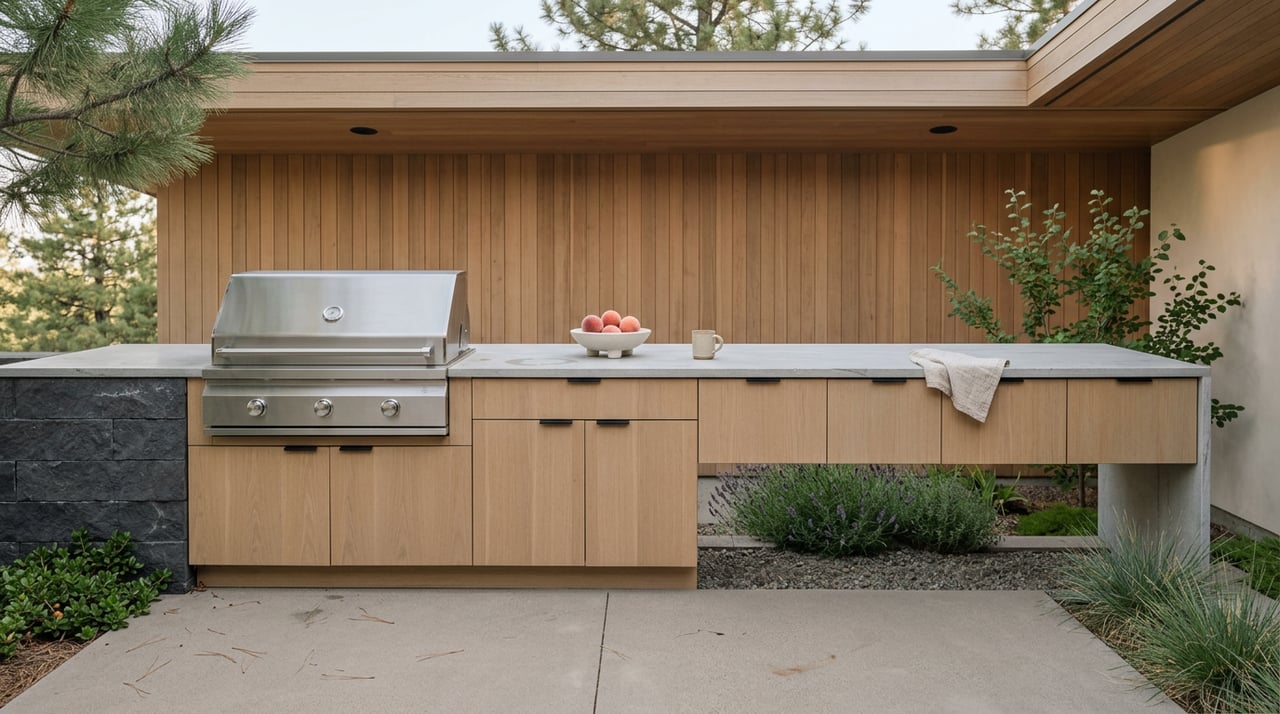
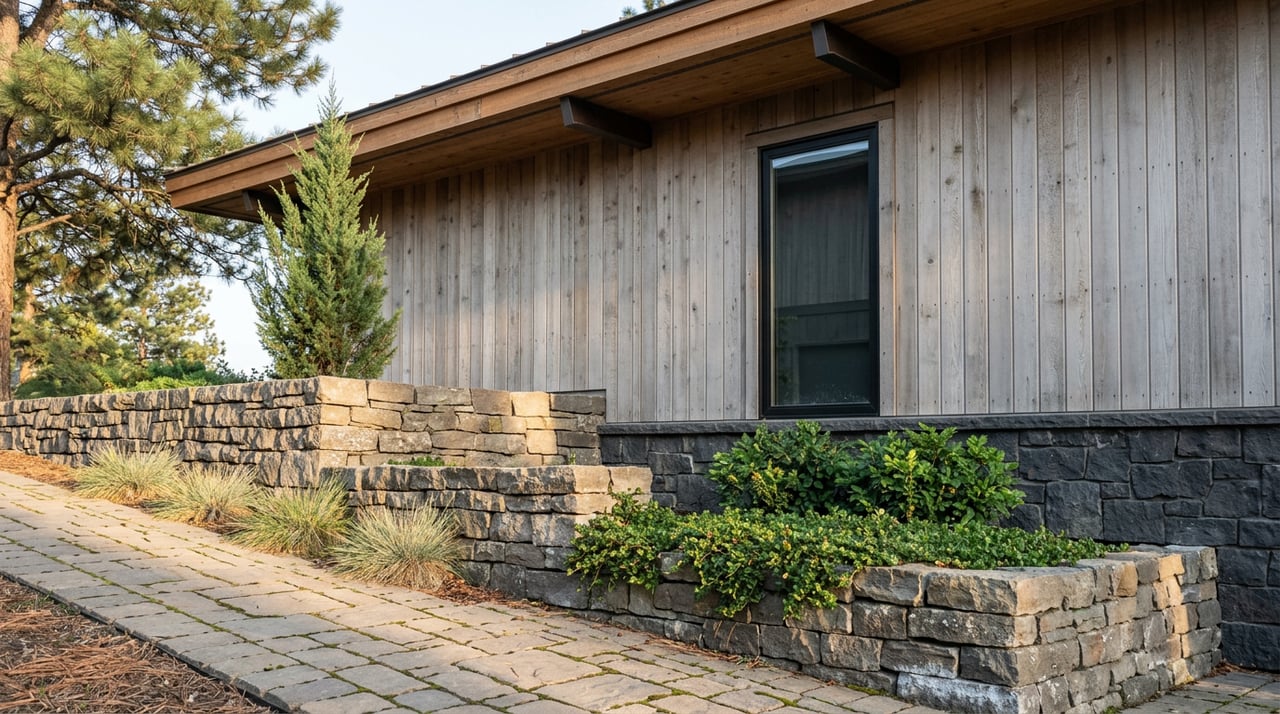
While every home and lot is different, the most resale-friendly improvements in Clos CheValle are usually the ones that support the setting instead of competing with it. Based on the HOA structure and current market positioning, that often includes:
The goal is not to make your home look generic. It is to make sure your updates feel like they belong in Clos CheValle and support what future buyers already value in the neighborhood.
If this will be a second home or seasonal property, ownership planning should include more than mortgage and utilities. In Clos CheValle, the exterior matters, and the community’s standards suggest that deferred maintenance or inconsistent landscaping can become an issue over time.
A smart ownership budget should account for recurring items such as landscape care, exterior maintenance, HOA-related compliance, and periodic reviews before making improvements. Even if you are not onsite year-round, your property still needs to stay presentation-ready and consistent with community standards.
This is especially important if you want the option to sell later without rushing through a long to-do list. Buyers in higher-end Lake Chelan communities often notice condition, ease of upkeep, and whether a home appears thoughtfully maintained from the start.
If you are not in Chelan full time, it helps to have a simple plan for ongoing stewardship:
That kind of routine can make ownership easier now and support cleaner resale preparation later.
In a view community with open land and seasonal conditions, wildfire planning should be part of long-term ownership. Chelan County notes that its fire-prevention team participates in county wildfire protection plans and wildland-urban interface codes, and the county’s fire prevention and investigation resources also emphasize that dangerous conditions may require people to leave at a moment’s notice.
If you are a part-time owner, this is more than a seasonal reminder. It supports planning for defensible space, identifying local contacts who can help if you are away, and keeping a documented evacuation plan.
From a resale standpoint, readiness also matters because future buyers may ask how the property has been maintained and what steps have been taken to manage outdoor risk. Practical, well-documented upkeep can help your home feel more manageable to the next owner.
Clos CheValle operates in a premium segment, but it still sits within the broader Chelan market. According to Realtor.com’s Chelan market data, Chelan city had 148 homes for sale, a median listing price of $530,000, a median 48 days on market, and a 97 percent sales-to-list ratio in early 2026. The same source describes Chelan County in February 2026 as a buyer’s market, with homes selling about 1.15 percent below asking on average.
That does not mean higher-end Clos CheValle homes cannot perform well. It simply means pricing, presentation, and property condition matter. In a market that is active but not especially tight, buyers often have more room to compare options.
Long-term appreciation in the county has still been meaningful. Chelan County’s tourism impact study says the Q1 2025 median sales price was $545,000 and that the county median housing price has more than doubled since 2015, rising 113 percent. That broader trend supports why many owners continue to see Lake Chelan real estate as both a lifestyle decision and a long-range asset.
Clos CheValle homes sit well above the broader county median price point. The research report shows current public listings and estimates in the neighborhood around roughly $1.4 million to $2.15 million, with lots near 0.6 acres and homes around 3,000 to 4,000-plus square feet.
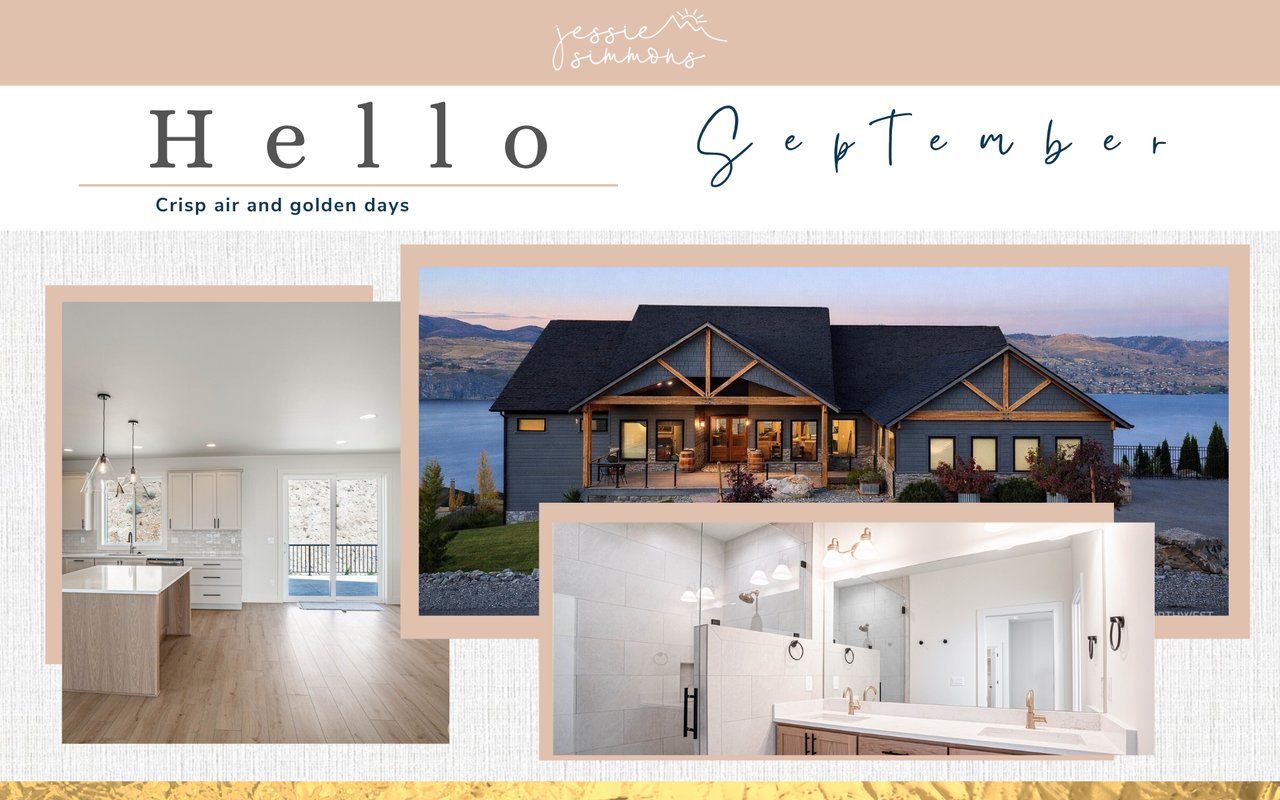
A current Clos CheValle area listing example on Realtor.com highlights features like a pool, lake views, mountain or hill views, guest rooms, a recreation room, a wine room, and main-level living. That gives you a useful snapshot of the features buyers are likely to notice in this submarket.
For future resale, that suggests buyers may respond well to homes that:
In other words, your best resale upgrades are often the ones that feel native to Clos CheValle rather than highly personal or difficult to maintain.
Some owners consider offsetting costs with short-term rental income, but you should never assume a property can be rented without checking the rules first. Chelan County’s short-term rental page explains that the county distinguishes between Tier 1 owner-occupied rentals and Tier 2 and Tier 3 rentals. It also notes that Tier 2 and Tier 3 applications are accepted only where capacity remains under the cap, and new applications are processed once per year between June 1 and July 31.
The county also requires a property management plan, parking diagram, good-neighbor guidelines, septic or sewer documentation, at least $1 million in liability insurance, and recurring fire-inspection steps for renewals. County code further states that an owner may operate only one short-term rental per parcel.
If the parcel is within city limits, the rules may be different. The City of Chelan short-term rental license page outlines its own licensing system, including a $600 initial license fee, a $300 annual renewal fee, and a 60-day transfer window after closing.
Before you build rental income into your ownership plan, make sure you confirm:
That due diligence matters whether you plan to hold the home long term or eventually market it to a future buyer who also cares about rental flexibility.
Ownership and resale planning should also include documentation from day one. If you make improvements, pursue rental use, or split time between personal use and rental activity, organized records can make a future sale much easier.
The IRS explains in Publication 523 that the main-home exclusion can shelter up to $250,000 of gain, or $500,000 for married couples filing jointly, when ownership and use tests are met. The same IRS guidance notes that a second residence is a capital asset and that losses on personal-use property are not deductible.
For Washington owners, the Washington Department of Revenue guidance included in the IRS-linked source also supports an important point from the research report: the state capital gains excise tax does not apply to real estate sales. Even so, your federal tax treatment can vary based on how you used the property.
A clean file can help you and your advisors when it is time to sell. Keep:
Good documentation supports smoother tax conversations, cleaner disclosures, and better decision-making when you are ready to list.
The big picture in Clos CheValle is simple. This is a lifestyle-driven neighborhood where scenery, consistency, and care all play a role in long-term value. Owners who tend to do best over time are often the ones who enjoy the property while also treating it as a well-managed asset.
That means planning updates carefully, respecting HOA processes, budgeting for maintenance, understanding rental limits, and keeping records as you go. If you do that, you give yourself more flexibility whether you decide to hold, rent, or sell in the future.
If you are weighing a purchase, planning improvements, or thinking about the right timing for a future sale in Clos CheValle, Jessie Simmons can help you look at the ownership side and the resale side together so you can make a confident plan.
Stay up to date on the latest real estate trends.
Real Estate
Real Estate