Buying or Building Clos ChaVelle Custom Homes in Chelan
Wondering whether you should buy an existing home or build from the ground up in Clos CheValle? If you are drawn to vineyard views, custom design, and the Lake Chelan lifestyle, this community can offer a compelling mix of all three. The key is understanding how Clos CheValle actually works so you can choose the path that fits your timeline, budget, and goals. Let’s dive in.
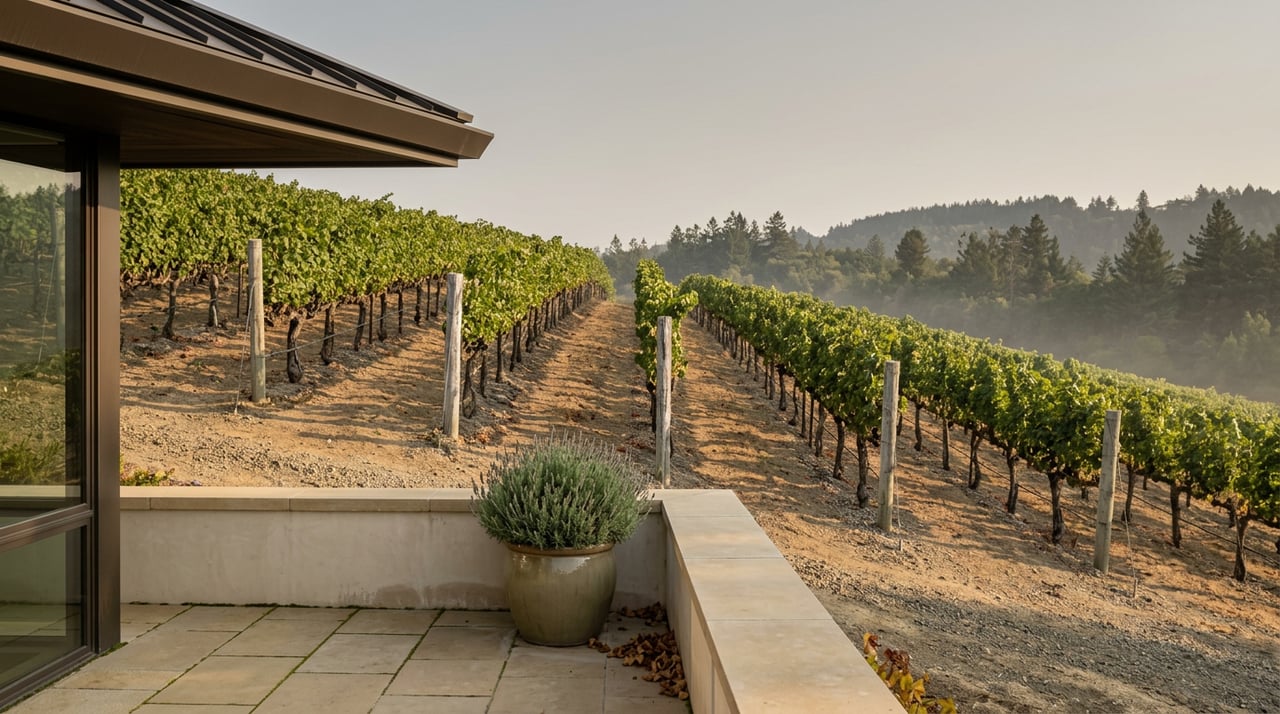
Clos CheValle is not a typical neighborhood. Official HOA materials describe it as a 67-lot residential homesite development set among 66 acres of vineyards on the south shore of Lake Chelan, about five miles west of downtown Chelan.
The homesites are generally about one-half to three-quarters of an acre, and the community is intended for higher-end homes with a wine-country theme. That vineyard setting is a big part of the appeal, especially in a region shaped by the Lake Chelan AVA and its wine-country identity.
There is also an important planning detail behind the scenes. County records show the project was approved as a planned development with separate residential lots and agricultural or vineyard tracts, which means Clos CheValle has a land-use structure that is more layered than a standard subdivision.
If you want a more streamlined path, buying an existing home may be the simpler option. A resale home has already moved through much of the local review process, which can reduce uncertainty compared with starting a custom build from scratch.
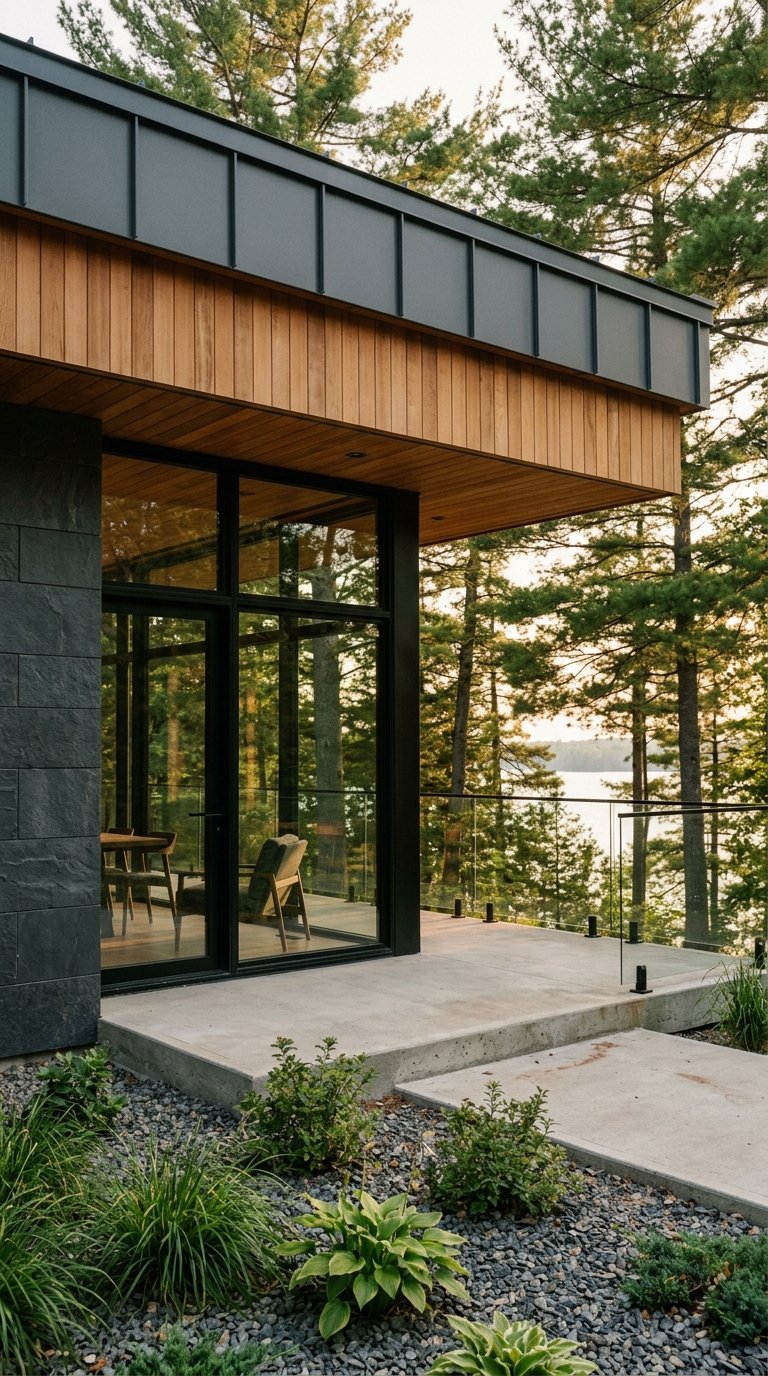
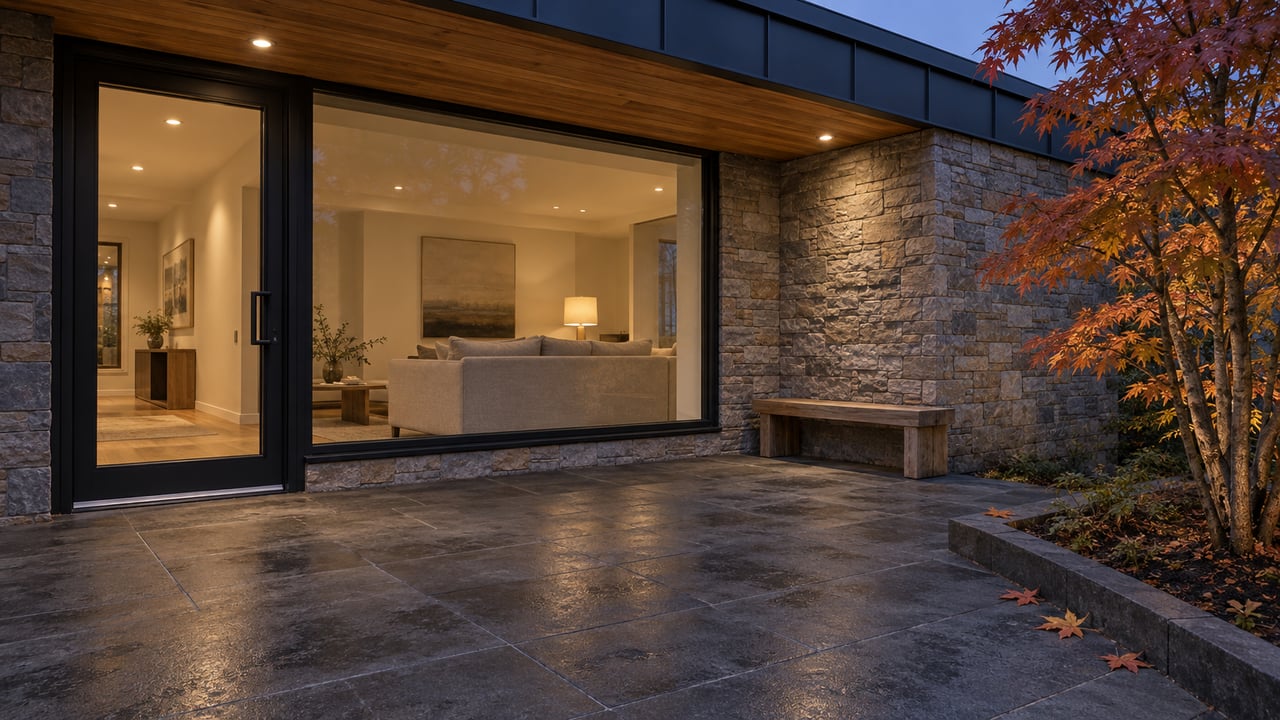
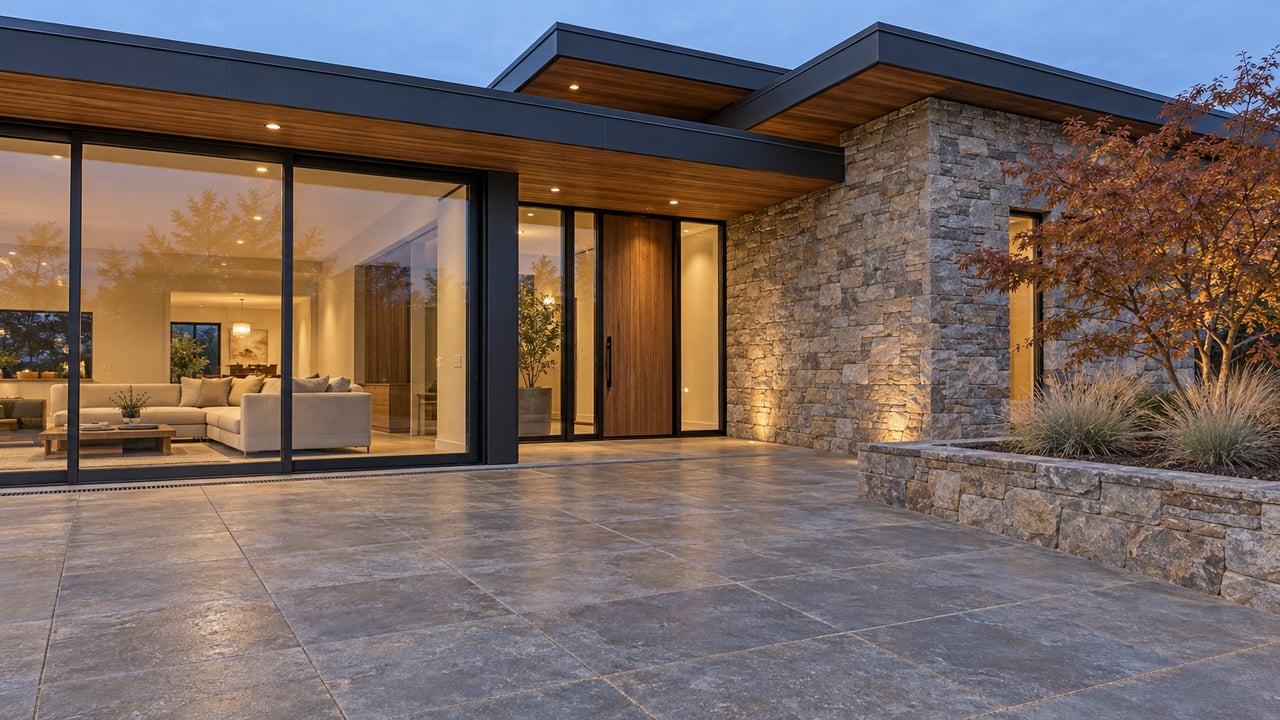
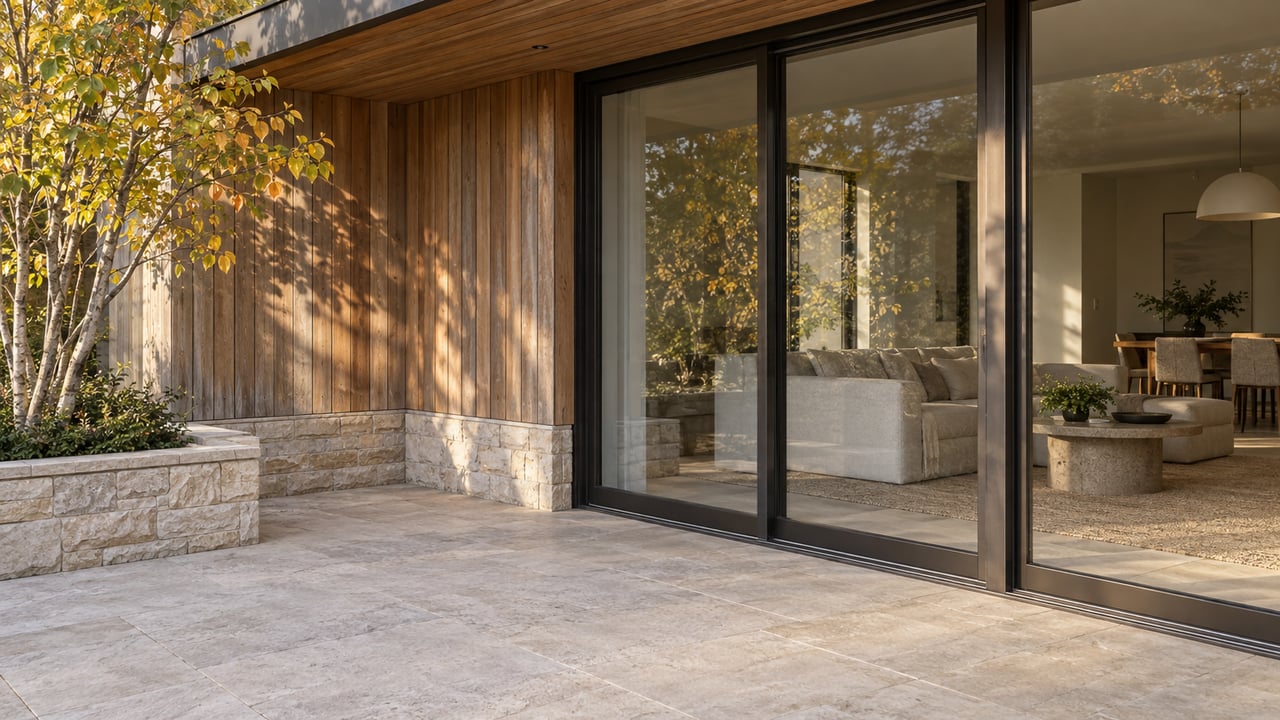
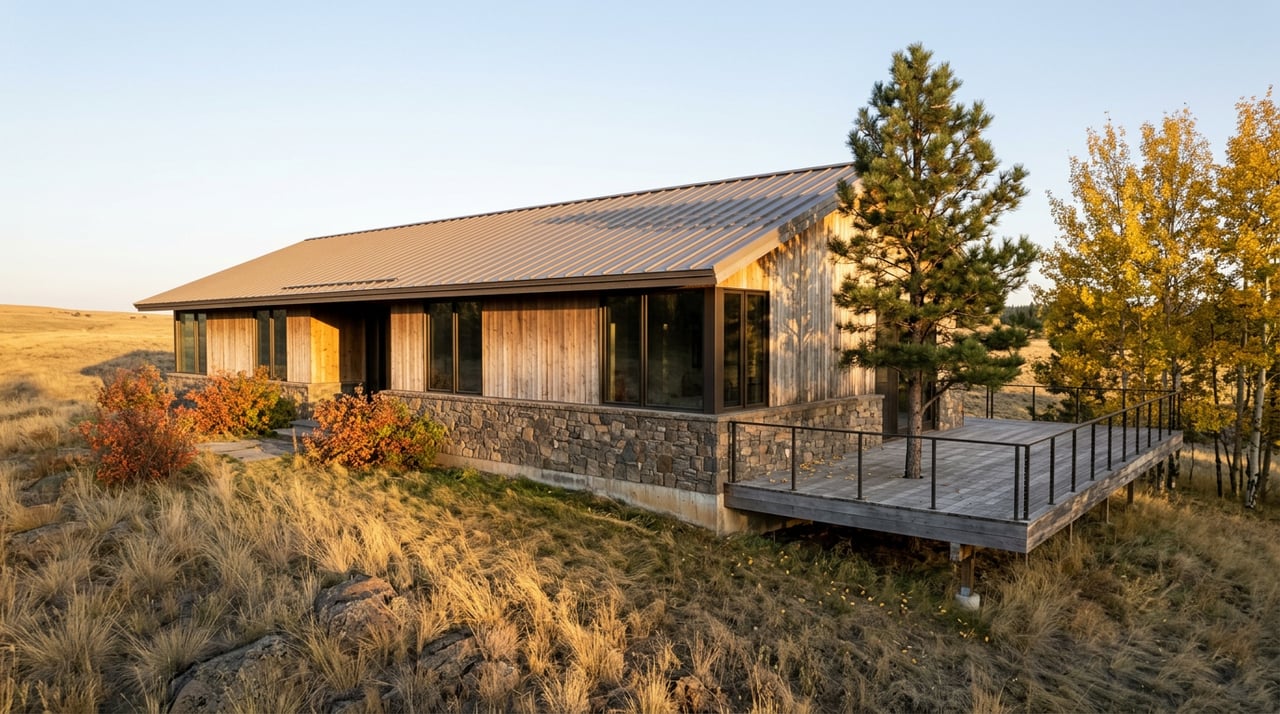
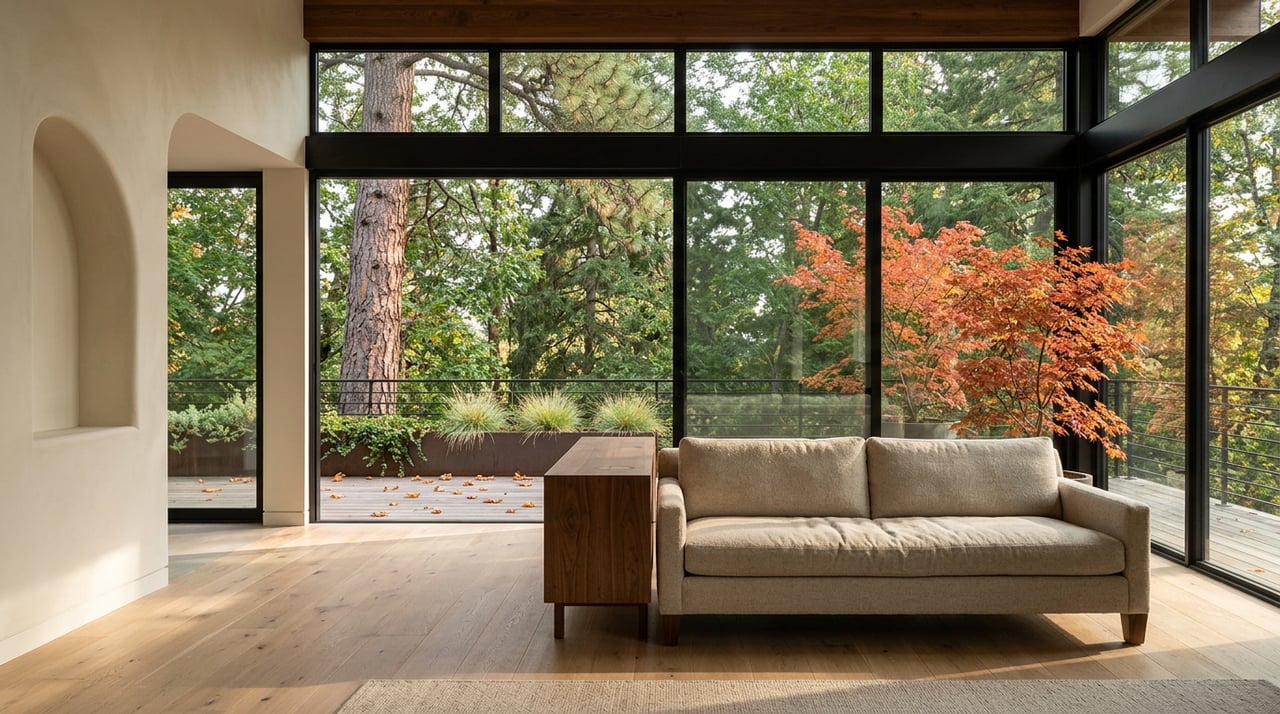
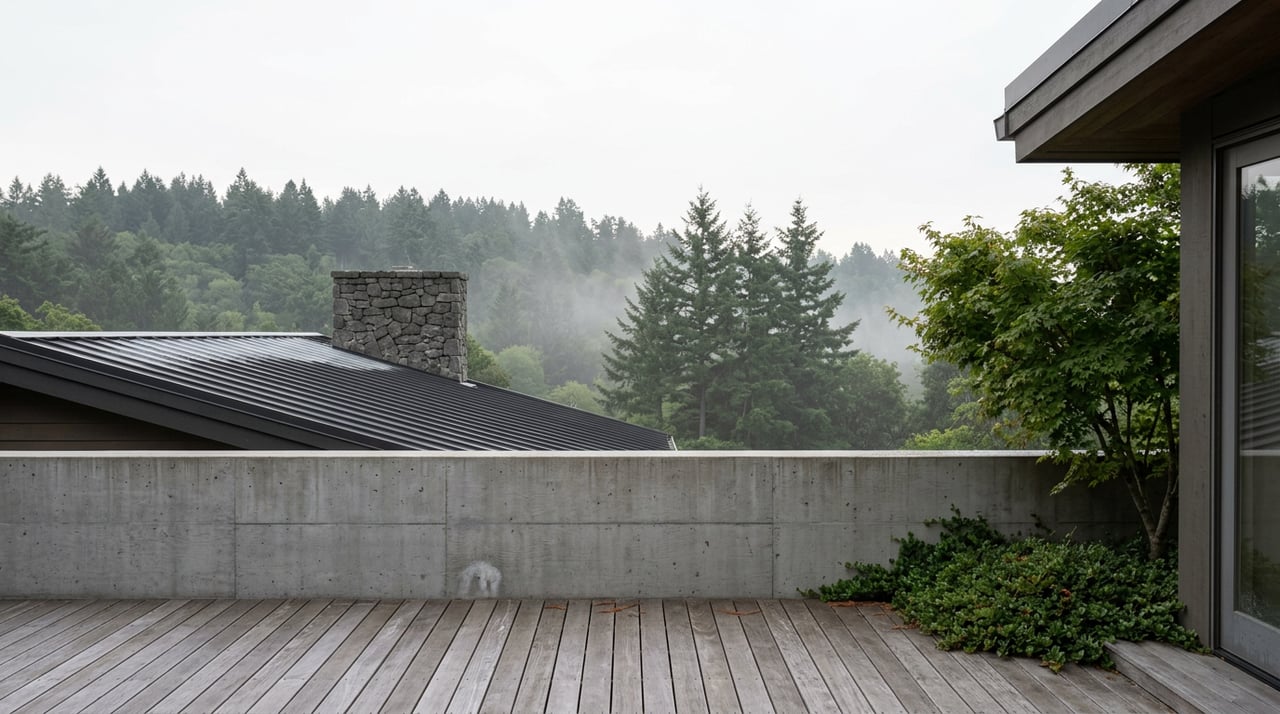
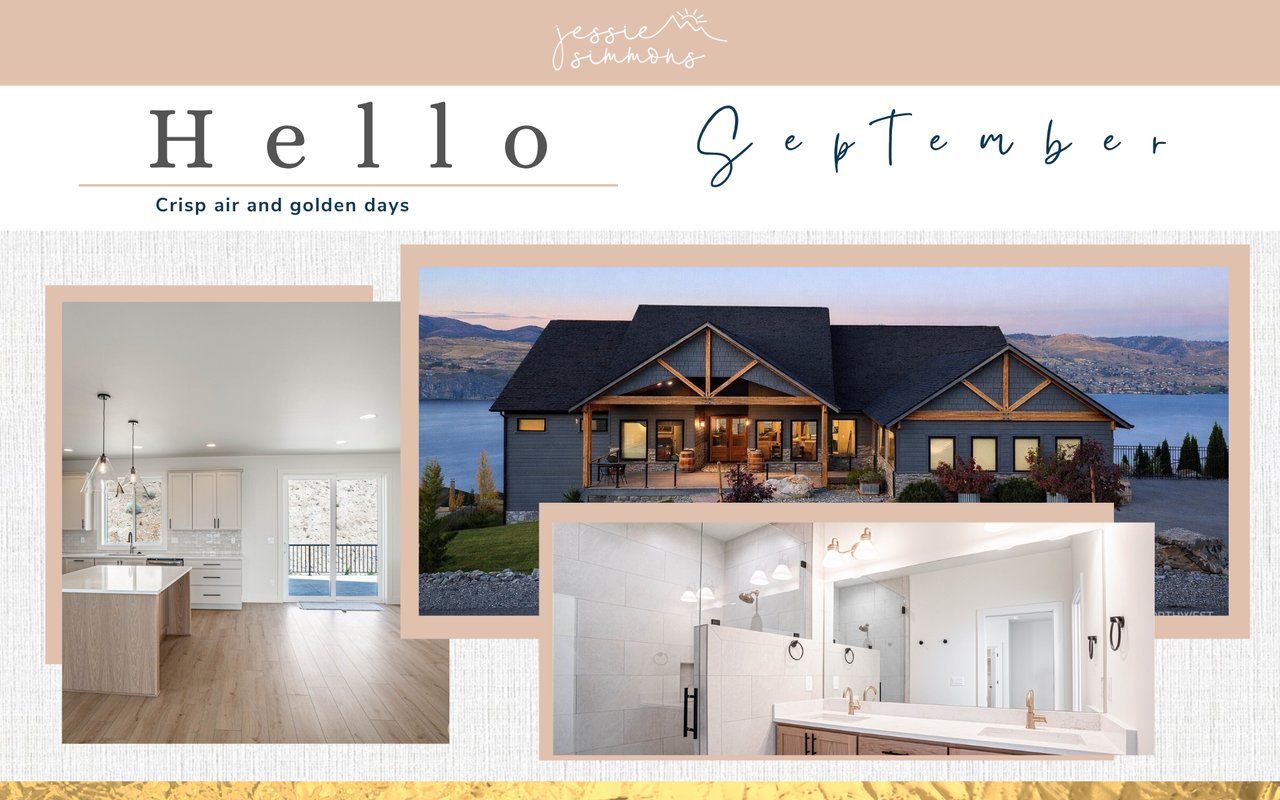
Recent listing examples suggest the neighborhood includes a range of luxury styles rather than one fixed look. You may see craftsman, mountain-modern, single-level, two-story, and vineyard-inspired homes with materials like wood siding, stone, metal roofs, exposed steel, and large glass openings.
That design variety can be a real advantage. You can often find a home that feels tailored and upscale without taking on the full timeline and complexity of new construction.
When touring existing homes in Clos CheValle, it helps to look beyond finishes and views. Pay close attention to how the home sits on the lot, how outdoor spaces are arranged, and how the property handles grade changes.
Recent listing examples show parcels around 0.52 to 0.71 acres, and at least one notes partial-slope or terraced topography. That can help explain why some homes sit higher on their lots or use stepped patios, retaining elements, or tiered outdoor living areas.
You should also verify utility details for the specific property. Recent listings commonly mention Bear Mountain Water District service and septic systems, but utility status should still be confirmed lot by lot.
If you want a home designed around your exact priorities, building may be the better fit. A custom build gives you more control over view orientation, outdoor living, floor plan flow, and how the home responds to slope and site conditions.
That said, building in Clos CheValle requires more than choosing a plan and hiring a contractor. Because this is a planned development with HOA oversight and rural-residential infrastructure, the due diligence is much deeper than many buyers expect.
A custom home can absolutely be worth it here, especially if you want a site-specific design. You just need to enter the process with realistic expectations about approvals, consultants, and timing.
In Clos CheValle, HOA approval is a major part of the process. The Architectural Design Committee reviews new residential construction and exterior remodels, and owners must submit a design package covering architectural plans, site development, and landscaping before construction begins.
The HOA also provides governing documents and design-related materials such as covenants, bylaws, architectural and landscape guidelines, suggested plants, banned materials, and contractor rules. For you as a buyer, that means the neighborhood has a defined review structure that can shape both design choices and construction planning.
HOA approval is only one layer. Chelan County Community Development handles land development and building permits in unincorporated areas, and the residential permit checklist requires a broad set of disclosures before an application will even be accepted.
Those disclosures can include legal access, easements, deed restrictions, subdivision notes, geologic hazards, wetlands, shoreline issues, floodplain concerns, and other critical-area factors. The county also requires a site plan, driveway or access information, and proof of the legal right to build within easements when applicable.
This is one reason site diligence matters so much before you close on a lot. A beautiful parcel may still need careful review for buildability, access, or grading constraints.
For a custom build, utility planning should happen early, not late. Chelan County’s residential permit packet asks for both the water source and sanitation method, and it states that a letter of availability is required from the public water supplier or sewer district before permit issuance.
The county also requires final sewer or water verification and a final septic as-built or inspection before certificate of occupancy. In simple terms, you do not want to treat water and wastewater as boxes to check at the end.
Chelan County’s Water Mitigation Program adds another important step. The county says water must be physically and legally available when building permits are issued, and applicants are instructed to file the water-mitigation application before the building permit.
Bear Mountain Water District’s 2024 consumer confidence report states that its filtration plant is located in Clos CheValle and that the district meets state and federal standards. Even so, you should confirm service details for the specific parcel you are considering.
If your lot uses septic, expect a separate review path. Chelan-Douglas Health District issues septic permits and requires a site and soil evaluation, a septic design prepared by a licensed designer or professional engineer, water-availability documentation, and a licensed installer.
The health district says septic review time is generally two to three weeks, and final inspections should be scheduled with one to two business days’ notice. It also notes that septic records are held by the health district, not the county, so pulling records early is a smart move when evaluating a lot or existing home.
Not every Clos CheValle lot will present the same design opportunities or challenges. Parcel-level market examples suggest some homesites include slope or terraced conditions, which can affect grading, drainage, retaining walls, foundation design, and outdoor-living layouts.
That does not mean a sloped lot is a problem. In many cases, it can create better view positioning or more dramatic architecture, but it often requires more careful planning at the beginning.
If a proposal may affect critical areas, Chelan County requires a critical-area determination first. The county also states that review can apply to uses or alterations within, adjacent to, or likely to affect critical-area buffers.
If a parcel is near shoreline jurisdiction or shoreline buffers, the Shoreline Master Program may add another layer of review. This is why custom-home buyers in Clos CheValle should treat early feasibility work as essential, not optional.
Many buyers underestimate the pre-construction timeline. Between HOA design review, county permit review, water mitigation, septic approvals, and any site-specific studies, several months of planning before excavation is a practical expectation.
That is not a fixed project schedule, but it is the safer way to think about a high-end custom build here. If you are hoping to break ground quickly, you will want to line up your team and start due diligence as early as possible.
Chelan County states that residential building permit applications are valid for six months and may be extended another six months if pursued in good faith. Once issued, the permit is valid for two years to complete the work.
Buying or building in Clos CheValle often goes more smoothly when the right professionals are involved from the start. Depending on the property, that team may include:
The exact lineup will depend on whether you are buying a completed home or creating a custom one. Either way, local guidance can help you spot issues early and avoid delays later.
For many buyers, the decision comes down to speed versus customization. If you want a faster move and less process, an existing home is often the easier path.
If you want to shape the home around your lot, views, and lifestyle, building offers more flexibility. That can be especially appealing in Clos CheValle, where orientation, grade response, and outdoor living design can make a major difference in the final result.
A simple way to think about it is this:
| Option | Best Fit For | Main Advantage | Main Consideration |
|---|---|---|---|
| Existing home | Buyers who want a more predictable timeline | Faster, simpler purchase path | Less ability to tailor layout and site use |
| Custom build | Buyers who want a site-specific luxury home | Full control over design and orientation | More approvals, consultants, and lead time |
If you are serious about Clos CheValle, start by getting clear on your priorities. Do you want a move-in-ready home for upcoming lake seasons, or are you willing to invest more time for a custom result?
From there, review each property with the neighborhood’s actual framework in mind. In this community, the right decision is rarely just about price per square foot or lot size. It is about approvals, infrastructure, topography, and how well the property supports the lifestyle you want.
If you want local guidance on whether a resale home or homesite makes more sense for your goals, Jessie Simmons can help you evaluate your options in Clos CheValle with clear, grounded insight.
Stay up to date on the latest real estate trends.

Real Estate